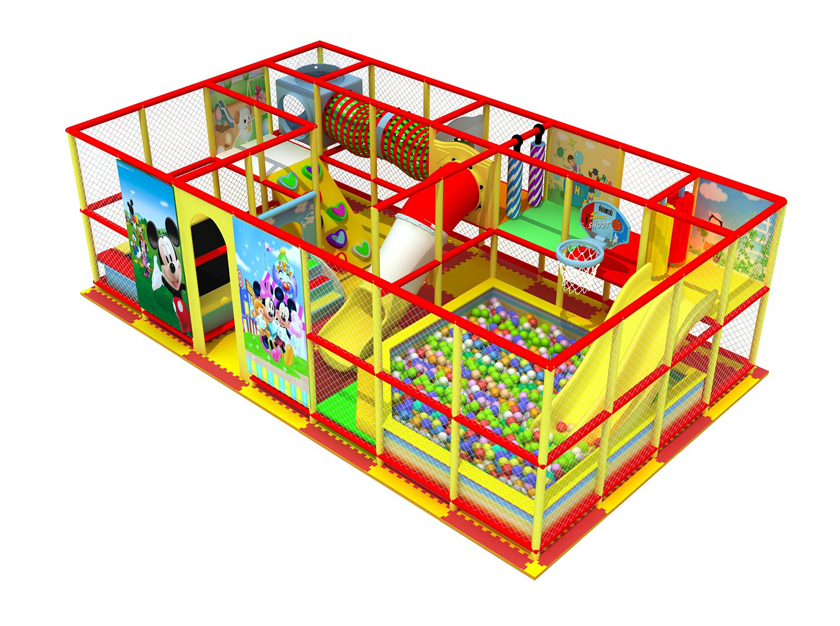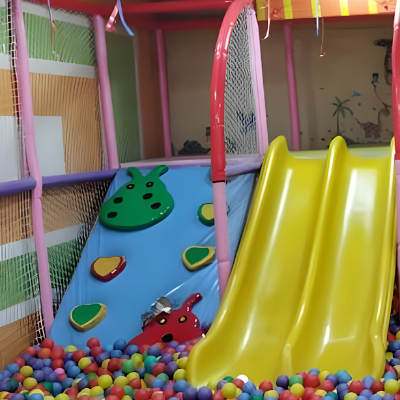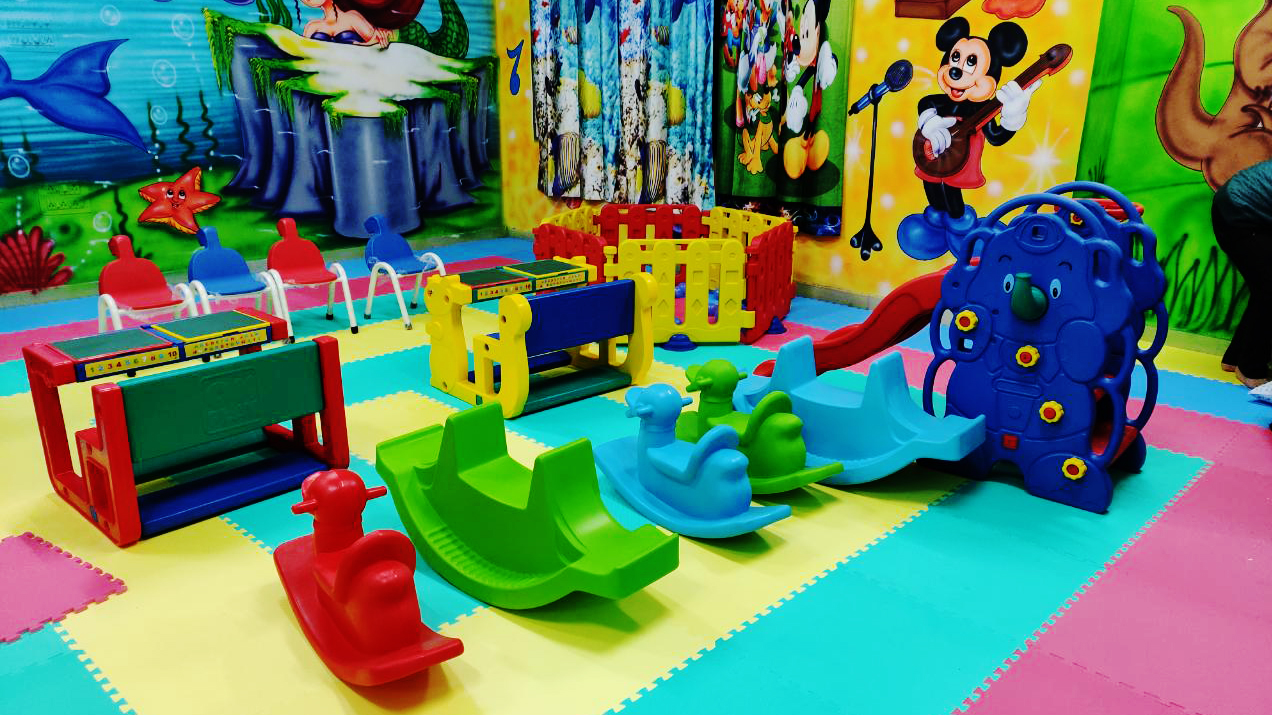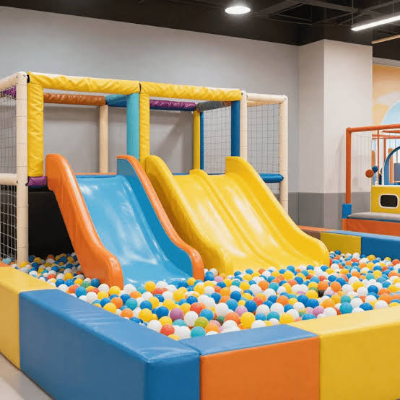
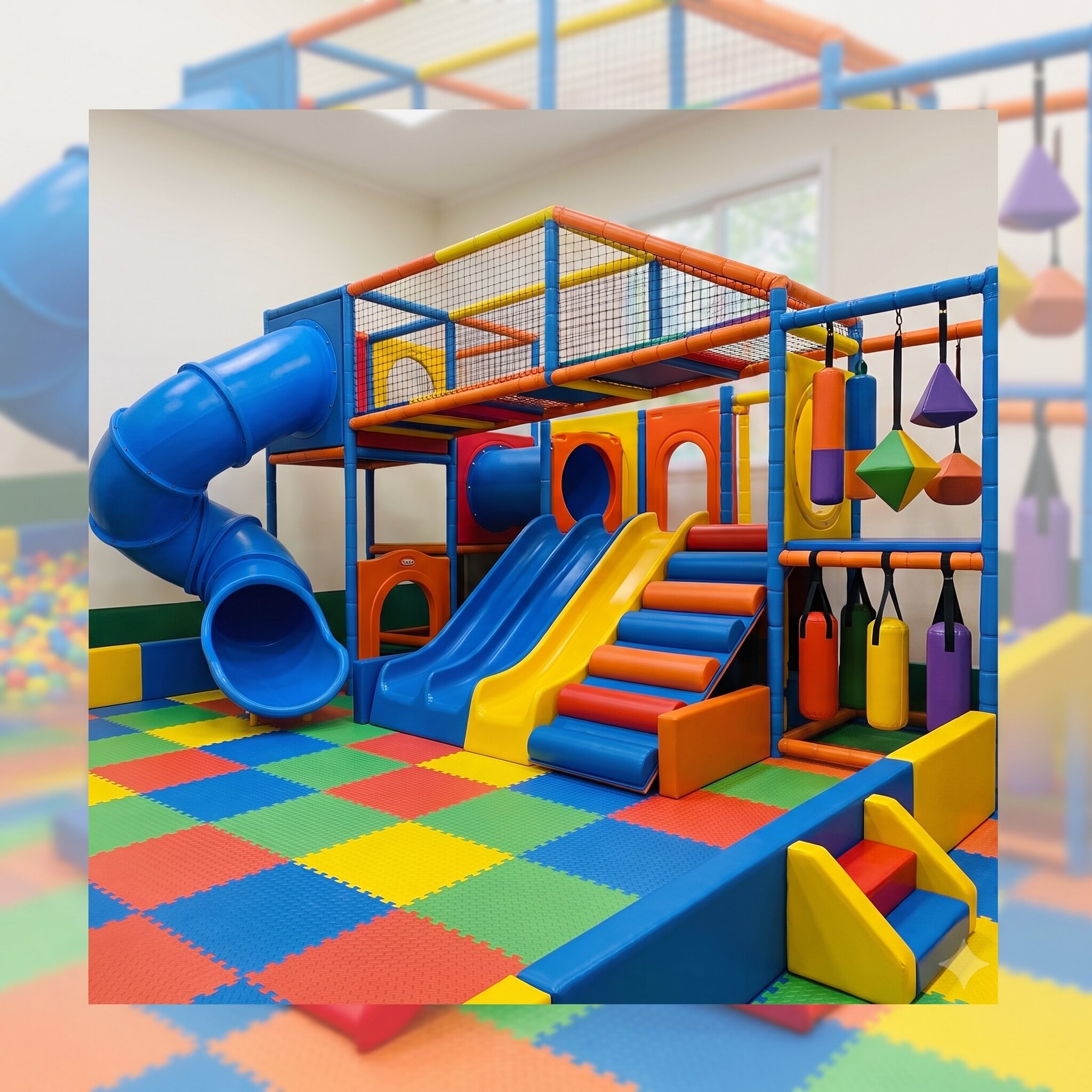
When people picture a soft play area, they usually think of colourful climbers, ball pools, and slides. Rarely do they think about the floor beneath it all yet that surface does more to prevent injury than almost any other single element in the room. Good Soft Play Flooring absorbs impact, cushions falls, and quietly does its job every single day without ever drawing attention to itself, which is exactly how safety flooring should work.
A play area can have the best climbers and softest foam blocks in the world, but if the floor underneath is thin, hard, or poorly installed, none of that matters when a child falls. Proper Safety Flooring For Kids is engineered around a specific measurement called critical fall height the maximum height a child could fall from a piece of equipment while the flooring still adequately cushions the impact. Choosing flooring without this calculation in mind is one of the most common and most avoidable safety gaps in indoor play design.
For larger commercial installations, EPDM Play Flooring is often the preferred choice. Made from durable rubber granules bonded into a seamless surface, EPDM flooring offers excellent shock absorption, slip resistance, and long-term durability, even under constant daily foot traffic. It can be poured in custom colors and patterns, allowing venues to incorporate themed designs, hopscotch layouts, or branded logos directly into the floor itself, combining safety with genuine visual appeal.
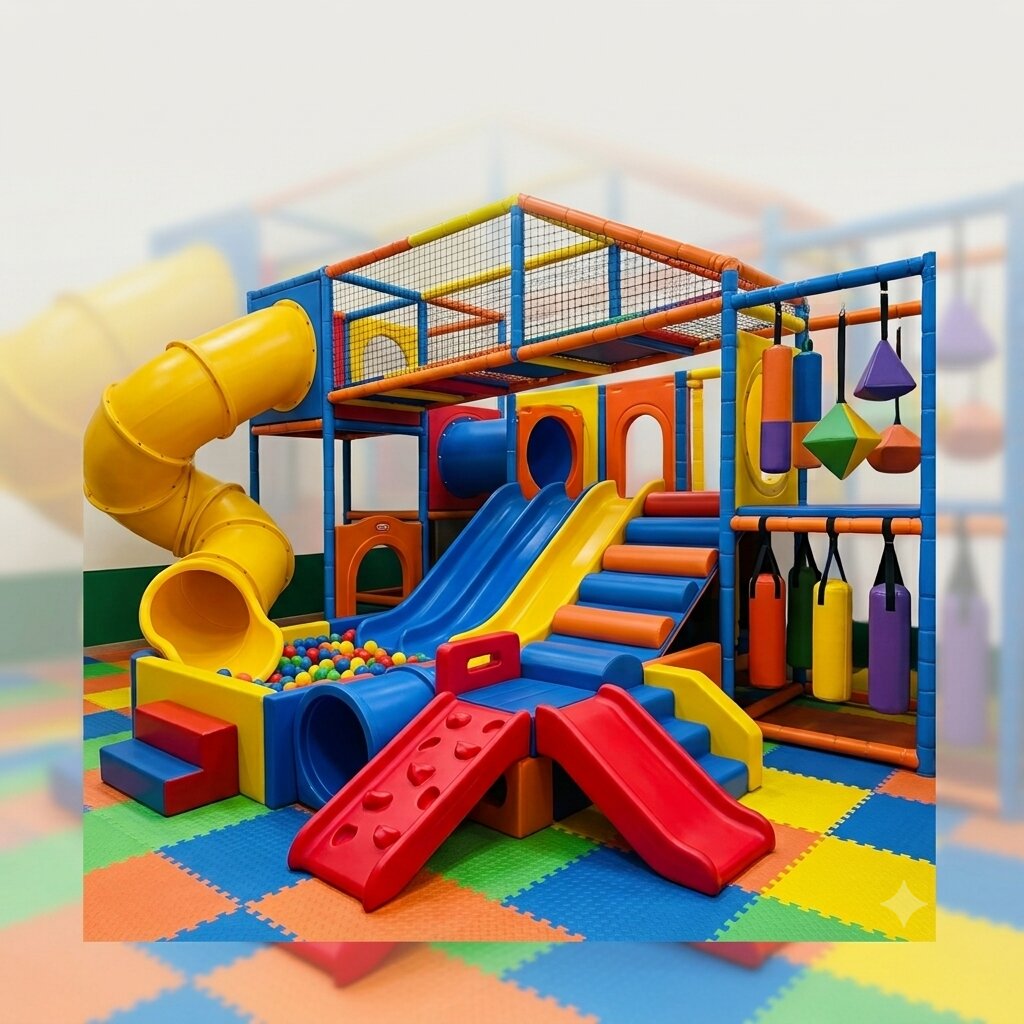
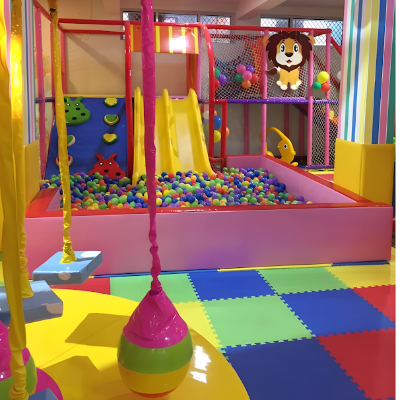
Where a permanent poured floor isn't practical, interlocking Foam Play Mats offer a flexible alternative. These lightweight, puzzle-piece tiles can be installed quickly without specialized tools, rearranged as a room's layout changes, and replaced individually if a section becomes worn or damaged. Foam mats are especially popular for home playrooms, smaller daycare rooms, and temporary play zones, where ease of installation and future flexibility matter as much as cushioning performance.
Not all soft-looking flooring actually performs as genuine Impact Absorbing Flooring. True impact-rated flooring is manufactured with a specific density and thickness calculated to reduce the force transferred to a child's body during a fall, rather than simply feeling soft underfoot. We supply flooring options tested and rated for various fall heights, helping venue owners match the correct thickness to the tallest piece of equipment in the room, rather than guessing based on feel alone.
The best Indoor Play Flooring depends heavily on how a space will be used. High-traffic commercial venues typically benefit from seamless EPDM for its durability and easy cleaning, while smaller rooms or spaces needing flexibility often do better with foam tiles or rubber play flooring that can be adjusted over time. We help clients weigh factors like expected footfall, equipment height, budget, and maintenance capacity before recommending a final flooring solution.
As an experienced Soft Play Flooring Manufacturer, we don't treat flooring as an afterthought to the main equipment order it's designed and specified with the same care as any climber or slide. From critical fall height calculations to color design and full installation, our team ensures the floor beneath your play area performs exactly as intended, every single day.
FAQ
1. What is critical fall height, and why does Soft Play Flooring need to account for it?
Critical fall height is the maximum height a child could fall from equipment while the flooring beneath still adequately cushions the impact; flooring thickness should always be matched to the tallest equipment nearby.
2. Is EPDM Play Flooring better than foam mats?
Neither is universally better EPDM offers a seamless, highly durable surface ideal for commercial venues, while foam mats offer easier installation and flexibility, making them well suited to smaller or temporary spaces.
3. How thick should Foam Play Mats be for a play area?
Thickness depends on the fall height of nearby equipment, but most play areas use mats ranging from 20mm for low-height play up to 50mm or more for taller climbers.
4. What makes flooring count as genuine Impact Absorbing Flooring?
Genuine impact absorbing flooring is manufactured with a specific tested density and thickness designed to reduce fall-related force, rather than simply having a soft surface feel.
5. How do I clean and maintain Indoor Play Flooring?
Most soft play flooring can be cleaned with mild, non-abrasive cleaning solutions and regular sweeping; EPDM surfaces are particularly easy to wipe down and sanitize.
6. Can Rubber Play Flooring be customized with colors or designs?
Yes, EPDM and rubber flooring can be poured or arranged in custom colors, patterns, and even branded designs, combining safety performance with visual customization.